 The farm
The dairy goat farm
is for sale
We welcome proposals for the complete herd or the farm as a whole from buyers wishing to continue the activity and explore its possibilities.
Work continues on the farm
The farm is still working
and producing milk
We continue milking and working with the families we have selected. We keep records and have experience managing the herd. It is mainly Murciano-Granadina, but also includes Saanen and crosses.
We can consider a sale of the herd or a transaction involving the whole farm. The animals, assets and rights of use included are agreed with the buyer during negotiations.
Production and profitability
These are the results
from our dairy herd
Our herd is based on the Murciano-Granadina breed. Its production and the farm's accounts can be checked; here we show the results and the possibilities for continuing the activity.
We produce milk throughout the year
We organise the herd into four breeding groups. This staggers lactations, maintains production throughout the year and spreads the work of kidding.
- March
- June
- September
- December
A herd selected
over many years
We have selected since 1991 and plan matings and kidding as part of the farm's work. We welcome proposals for the complete herd or the farm.
Approximate herd figures: annual equivalents calculated over 16 months and the period's average herd sizes. Comparison per adult goat with Spain's 2024 reference (396 L/dairy goat/year). MAPA reference ↗. Supporting documents are available to interested buyers.
The farm's accounts
What milk production leaves
in the accounts
The six completed financial years shown all ended in profit. You can see their margins and the forecast for the next year-end.
2020–2025: completed financial years. 2026*: unconfirmed annual estimate, subject to year-end closing.
The activity makes a profit
and allows improvements to be considered
- No financial debt
- Growing cash reserves
- Working since 1991
We have the herd and facilities to keep working. Expanding dairy activity, improving organisation or using the cheese dairy to process and market milk are options to study.
See the farm's possibilitiesCome and see the herd
and the farm
Call us and we can arrange a visit to see the animals and facilities. We share production and financial documents with interested buyers. You can also request the available annual accounts from Spain's Commercial Registry for Granja Caprina San Isidro S.L.
See annual percentages and how they are calculated
| Year | EBITDA margin | Net profit |
|---|---|---|
| 2020 | 6.5 % | 3.5 % |
| 2021 | 5.2 % | 2.1 % |
| 2022 | 9.0 % | 4.2 % |
| 2023 | 7.7 % | 3.6 % |
| 2024 | 14.3 % | 8.3 % |
| 2025 | 18.7 % | 12.0 % |
| 2026* | 23.1 % forecast | Not estimated |
Calculated EBITDA margin = (operating profit + depreciation and amortisation of fixed assets) / net revenue. Net profit = profit for the year after tax / the same revenue figure. These include other operating income and results; EBITDA is not cash flow.
Source: profit and loss accounts provided by the owners. All available completed financial years are shown, including the declines in 2021 and 2023. The 2026 point is an annual EBITDA and revenue forecast provided by the owners, unconfirmed and subject to year-end closing. The accounting figures to September do not yet include depreciation, amortisation or tax; they are not used as annual results or confirmed net profit. Net profit for 2026 has not been estimated.
No financial debt and increasing cash: the current position confirmed by the owners on 14 October 2026. Balance sheet and treasury documents can be reviewed directly with them. Annual profit growth compares profit after tax in 2025 with 2024; it is a year-on-year change, not a margin on sales. Past performance is not a forecast of future results.
Campaign herd numbers
This is the composition
of the herd
Approximate composition used for the 2026 sales campaign. The group of 130 doelings is included in the youngstock category and must not be added to the total again.
Sales, births and losses change the herd numbers. Available stock is confirmed before any transaction is finalised.
| Category | Approximate number |
|---|---|
| Adult female goats | 805 |
| Of these, in production | More than 550 |
| Young goats | 179 |
| Adult bucks | 30 |
| Young bucks | 7 |
| Indicative total | 1,021 |
The facilities
The buildings and equipment
of the farm
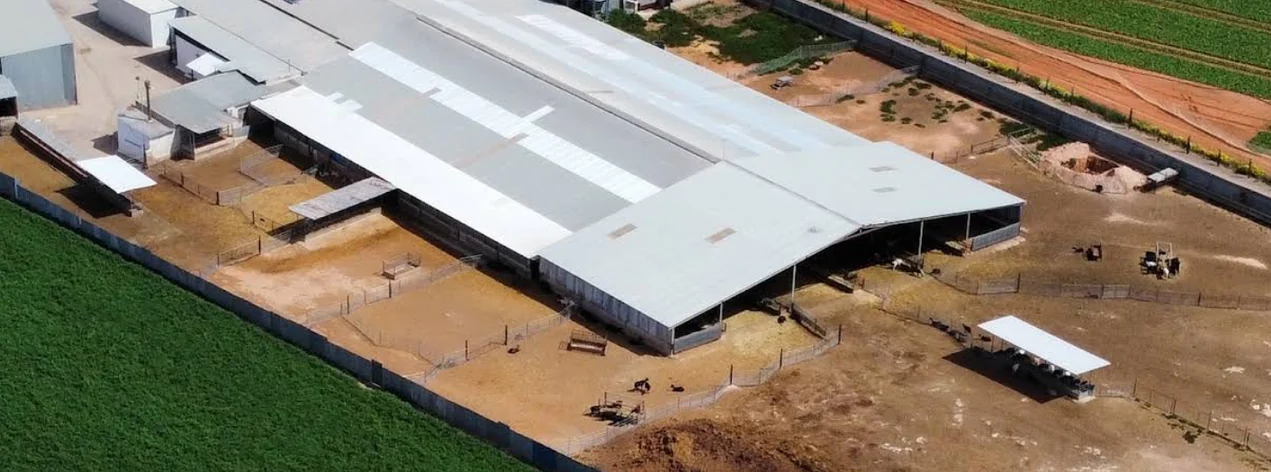
The buildings, yards and areas for youngstock, feeding and milking are all within the farm. The dossier describes around 3,000 m² of main building and 6,000 m² of yards, as well as the cheese dairy.
Production and group management
Five pens for animals in production, eight modular youngstock areas, two for bucks and an isolation pen. A layout for organising feeding, breeding and monitoring.
Milking and milk storage
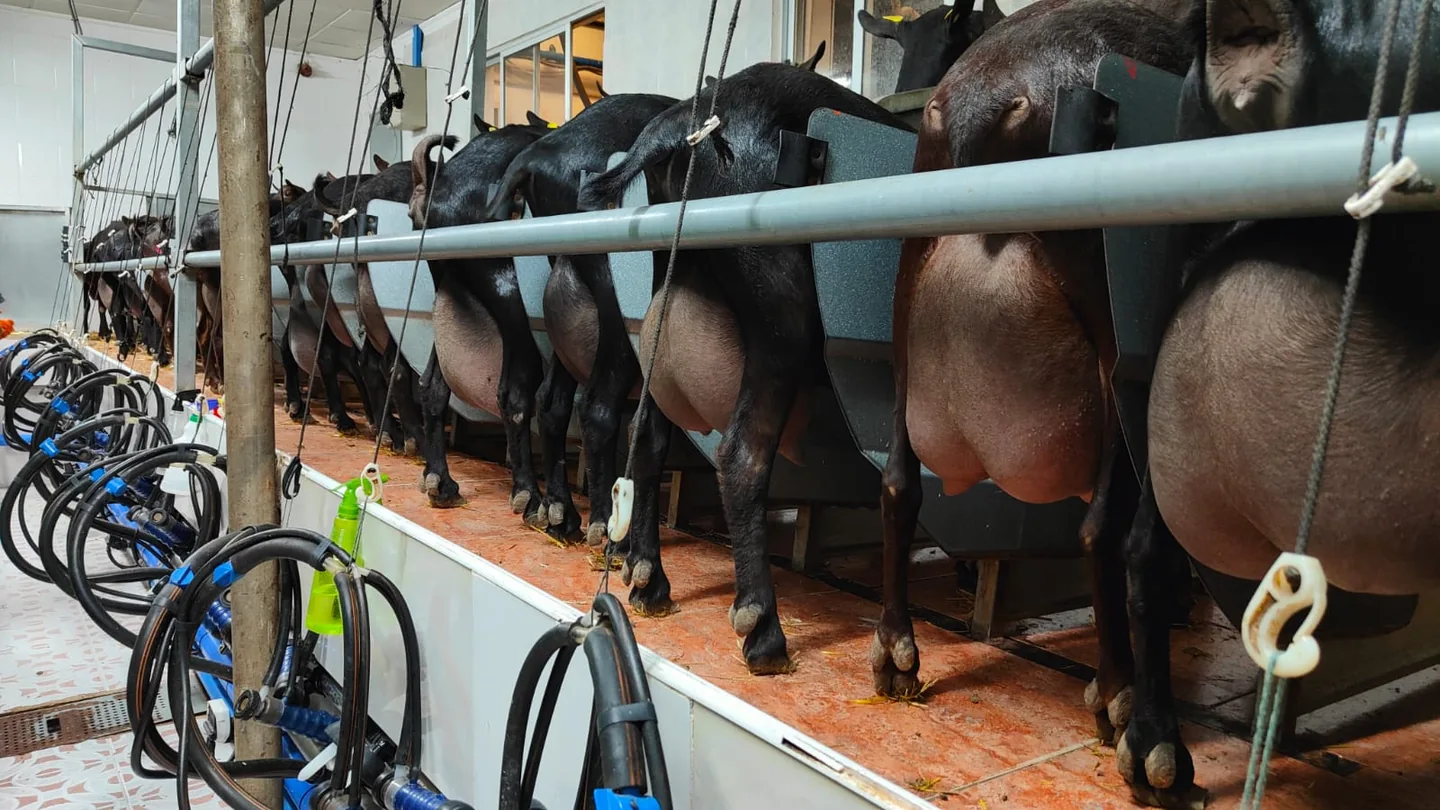
A DeLaval 16 × 2 low-line milking system, 22 × 2 rapid-exit headlocking system and two tanks with a documented combined capacity of 6,900 litres.
Raising replacements from the start
Two automatic kid-feeding rooms and an area for treating colostrum, with feeding, cooling and pasteurising equipment. Replacements have their own space within the farm.
Feeding and logistics
Silos, a mixer, twelve covered forage storage areas and automatic feeders. A store, workshop, tractor and telehandler complete the equipment described in the dossier.
Energy and services
A documented 30 kW solar installation for on-site use, a generator and changing, laundry and toilet facilities. The farm also includes two dwellings associated with the facilities.
Features described in documents provided by the owners. Condition, areas, inventory and included assets or rights of use are checked during a visit and agreed as part of the transaction.
The cheesemaking facilities
The CAPRILAC cheese dairy
is part of the farm
Part of the overall farm, the cheese dairy covers around 350 m², with a cheesemaking room of 150 m², a drying room, two ripening rooms, a cold room and labelling, packing and dispatch areas.
The documented equipment includes a pasteuriser, cheesemaking vats, refrigerated brine tanks, worktables and packing machines. These provide a material basis for considering milk processing alongside milk production.
CAPRILAC operated between 2004 and 2024 and the cheese dairy is now inactive. Any restart requires a review of equipment condition, authorisations, investment and the business model.
Learn about CAPRILAC's history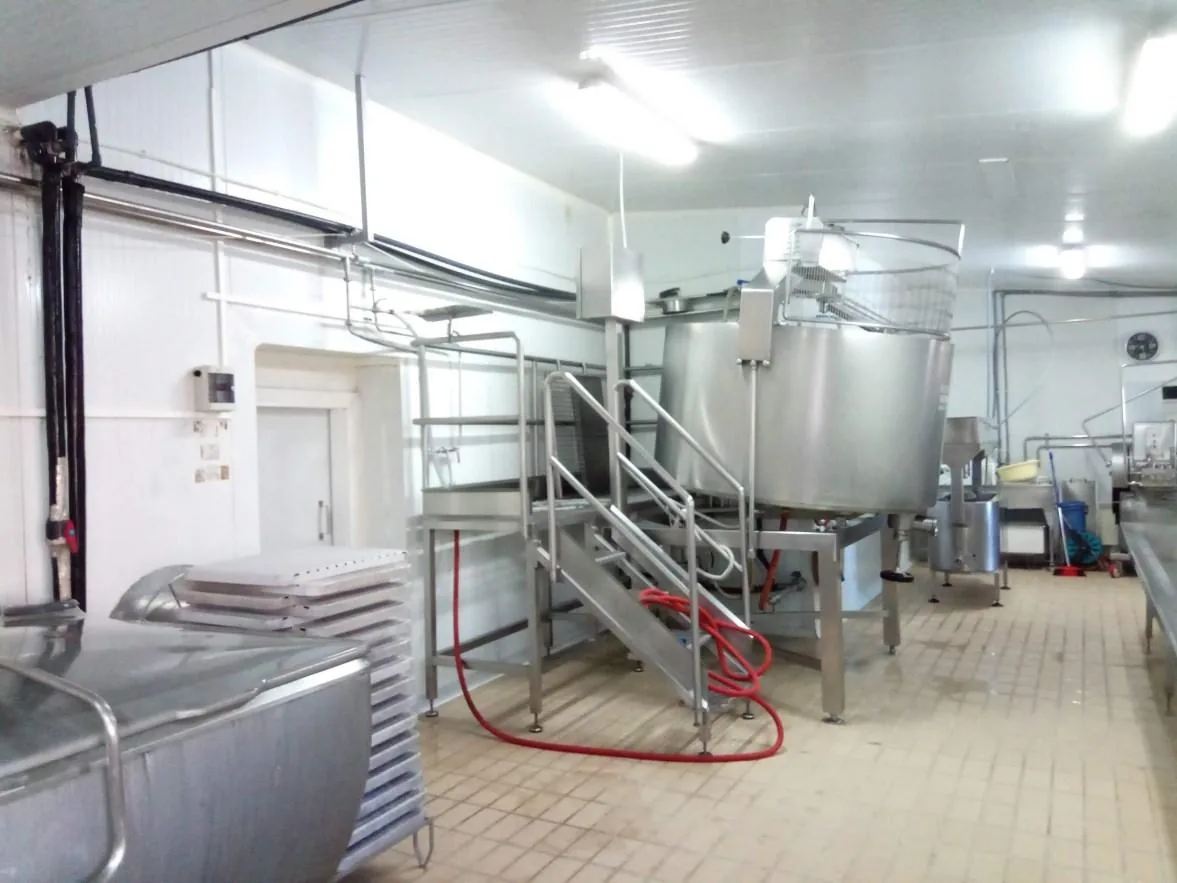
Options for expansion
What can be expanded
or put to use on the farm
Dairy activity continues and we have a selected herd and extensive facilities. At present, the availability of labour is the main limit we see to expanding the activity.
Developing dairy activity
The dossier includes an auxiliary building for a potential expansion. Planning this requires checking permits, authorised capacity, staffing, feed and investment. The opportunity is assessed by visiting the actual farm as a whole.
Adding value to the milk
The cheese dairy facilities offer a route to consider processing and selling products directly. CAPRILAC provides past experience; a new plan must define products, markets, staffing and start-up costs.
Continuing herd improvement
We have worked with parentage records and selection since 1991. We use family records, visual assessment and our own analysis tools to prepare replacements and matings.
Improving day-to-day organisation
Group management, automated feeding and on-site solar power offer ways to study efficiency and planning. Their financial effects must be measured against the farm's data and the buyer's plans.
Information for your visit
Frequently asked questions.
What does San Isidro offer a livestock project?
We have worked with selection and parentage records since 1991, with families we have known for generations. Production, replacements and milking are organised; you can visit the herd and facilities to assess a purchase.
Does buying the animals include facilities or land?
Not automatically. The scope of a transaction involving the farm, including assets and rights of use, is expressly agreed. Buying a group of animals does not mean acquiring property.
Can I visit the farm?
Yes, by appointment. Let us know whether you are interested in a group, the herd or the farm so we can prepare the visit.
Where can I learn about the farm's profitability?
The performance section brings together herd production, historical margins and the EBITDA forecast for 2026, clearly identified as an estimate. You can review the financial documents with the owners and request the available annual accounts from Spain's Commercial Registry.
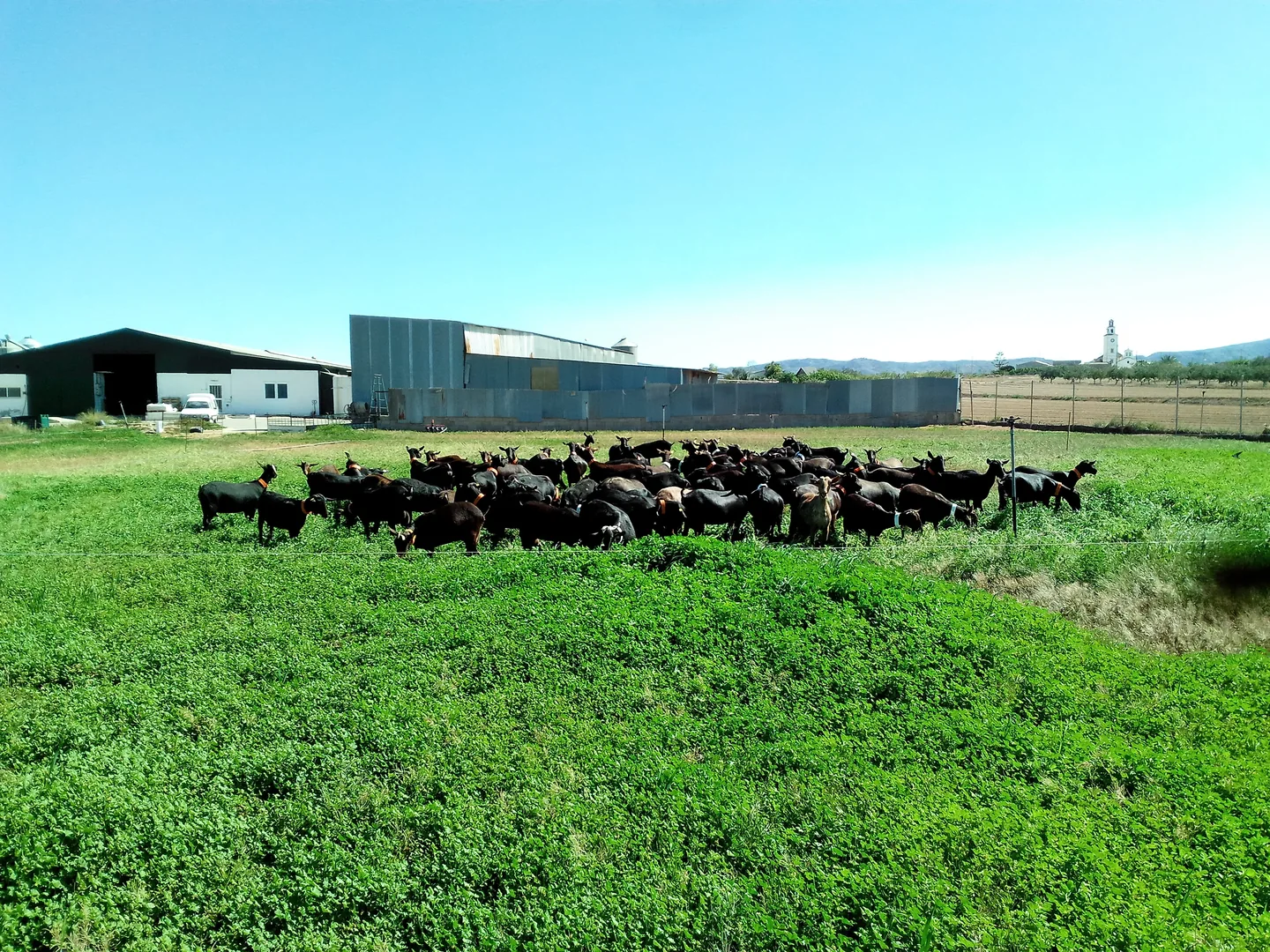
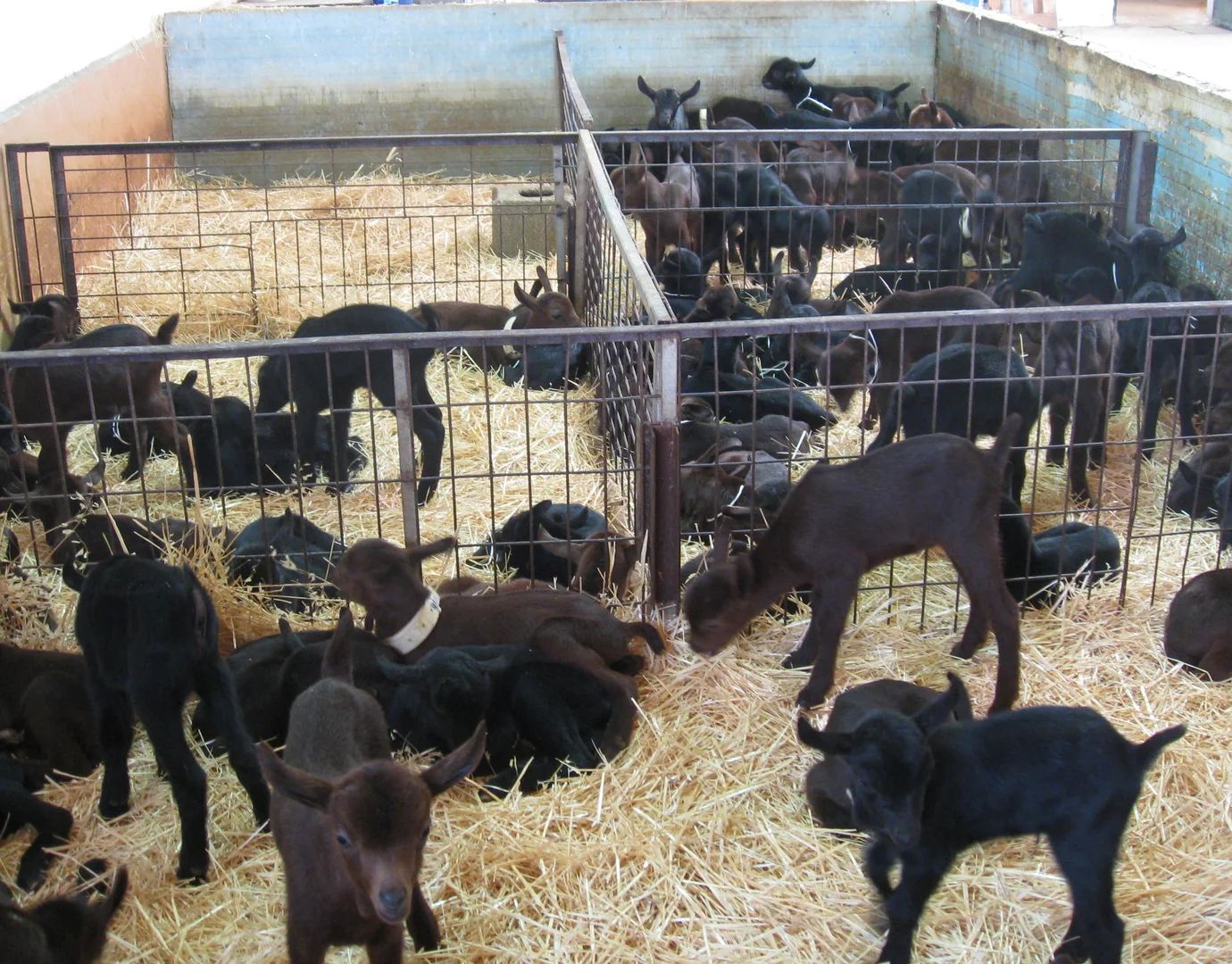
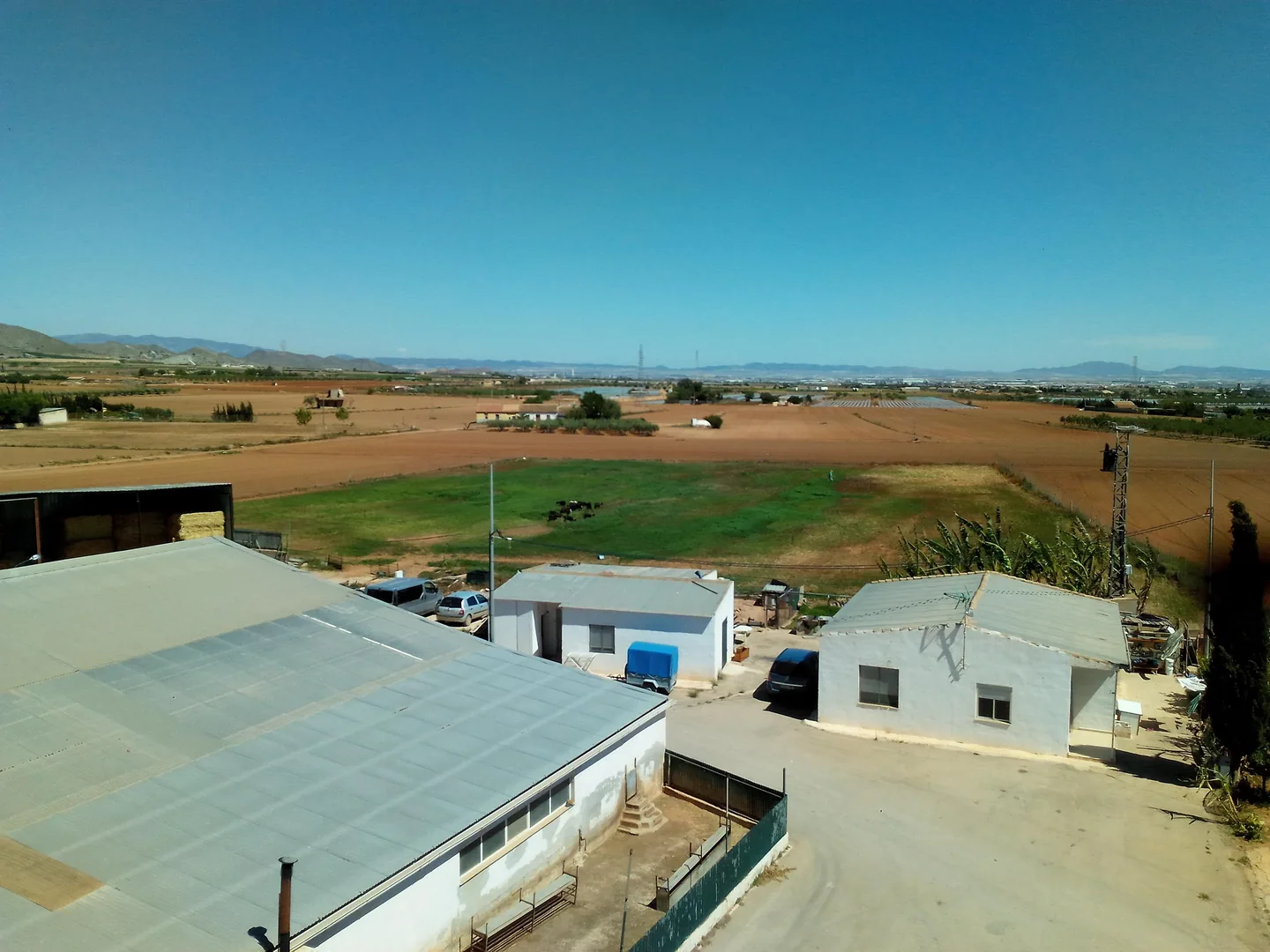
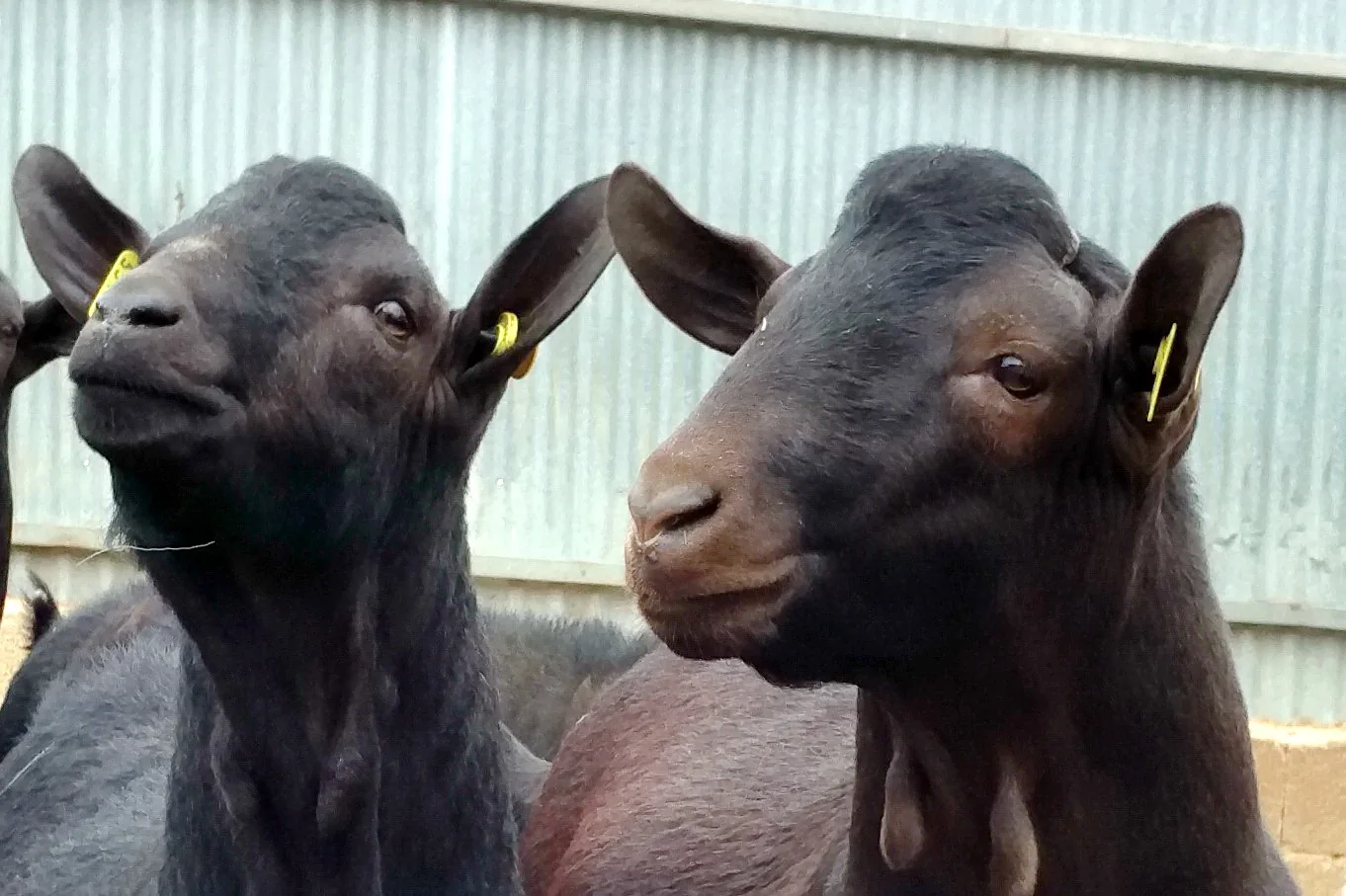
The herd and its surroundings
Grazing, kids
and farm buildings.
Where we are
We are in San Isidro,
in the Campo de Cartagena
We are in San Isidro, Cartagena, Murcia. You can come and see the herd and buildings; call us beforehand to arrange a visit.
Opening the map loads Google Maps, which is subject to its privacy policy.
Contact
Call us
and we can discuss the sale
Tell us whether you are interested in the doelings, other groups, the complete herd or the farm. We can explain the terms and arrange a visit if you wish.
The message opens as a draft: you decide when to send it. You can also call or email us. Privacy.